2026 Top Trends in Prefabricated Container Homes for Buyers?
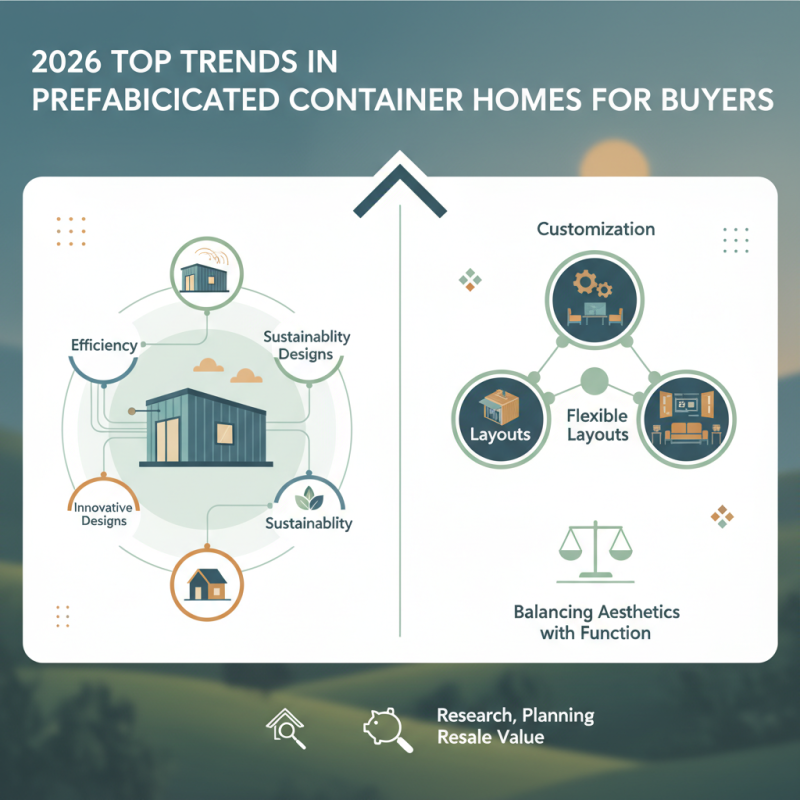
As the popularity of prefabricated container homes rises, buyers are drawn to their unique advantages. These homes offer efficiency, sustainability, and innovative designs. Many are searching for practical solutions that reflect their individual lifestyle choices.
In 2026, trends in prefabricated container homes will continue to evolve. Buyers are expected to prioritize customization. Flexible layouts and eco-friendly materials will gain traction. The challenge lies in balancing aesthetics with function. Decisions must cater to personal taste while ensuring durability.
Understanding the market's direction can be daunting. Buyers should consider future resale value. Not all designs hold long-term appeal. Research and planning will be essential in selecting the perfect container home. Ultimately, informed choices can lead to a rewarding ownership experience in the world of prefabricated container homes.
Emerging Design Trends in Prefabricated Container Homes for 2026
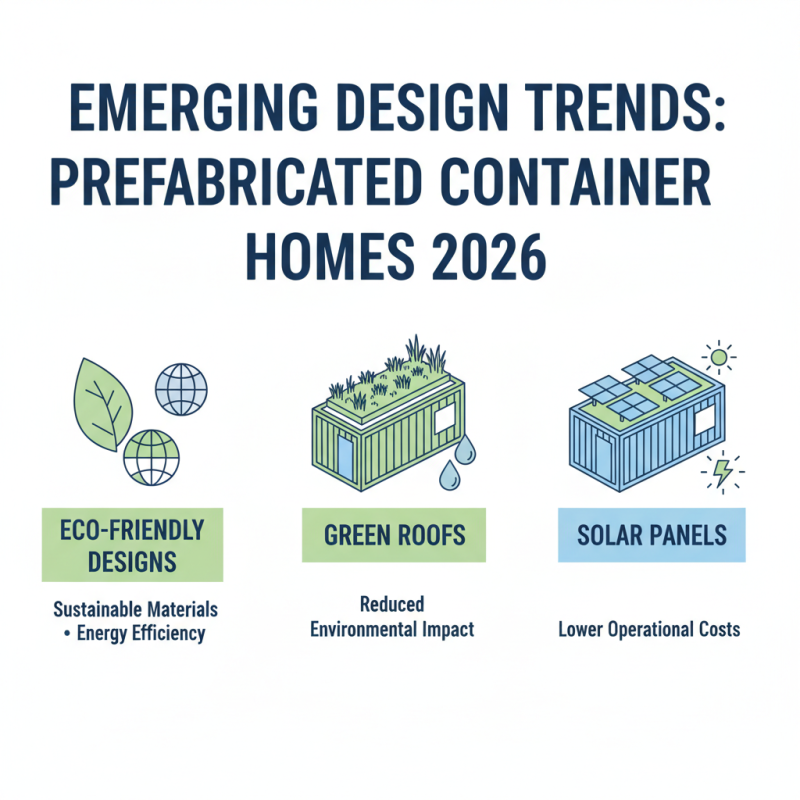
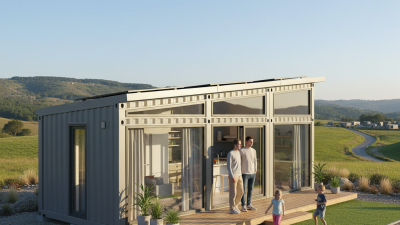
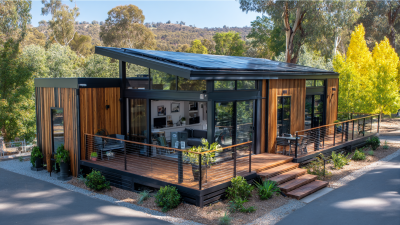
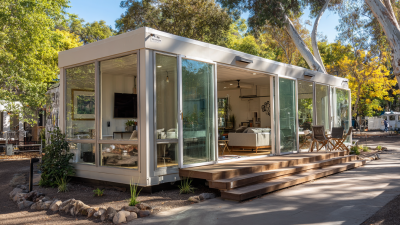
In 2026, prefabricated container homes are set to undergo exciting transformations. Eco-friendly designs will dominate, focusing on sustainable materials and energy efficiency. Expect to see homes with green roofs and solar panels. These features will reduce environmental impact and operational costs.
Tip: Choose designs incorporating natural light. Large windows and open spaces can enhance your living experience. These elements create a sense of connection to nature.
Another emerging trend is multifunctional spaces. As urban areas grow, space is at a premium. Container homes can feature convertible furniture or modular layouts. This allows for flexibility, accommodating various lifestyles.
Tip: Look for innovative storage solutions. Vertical storage options can maximize space in compact areas. It’s essential to find ways to remain organized while enjoying your living space.
As we embrace minimalistic living, the aesthetic will also evolve. Expect to see bold colors and unique finishes. These will provide character and personal touch. However, remember that adding too many colors may create chaos. Choose a few accents wisely to maintain harmony.
Sustainable Materials and Eco-Friendly Practices in Container Home Construction
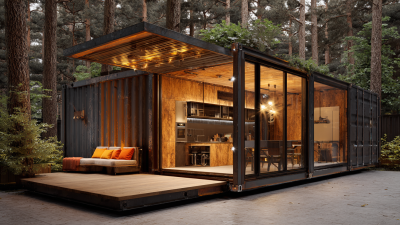
The trend of using sustainable materials in container home construction is gaining traction. Many builders are opting for recycled steel and eco-friendly insulation. This choice reduces the carbon footprint significantly. Additionally, some are integrating reclaimed wood in design, adding character and warmth to these homes. By using these materials, homeowners can create a unique living space that is also kind to the environment.
Incorporating eco-friendly practices is vital in this construction process. Techniques like rainwater harvesting and solar energy systems are becoming standard. They help minimize reliance on traditional utilities. However, challenges exist. Not all locations allow these innovations, which can hinder sustainability efforts. Building codes may restrict certain installations. This can lead to frustration for buyers aiming to stay eco-conscious.
Moreover, the flexibility of container homes allows builders to experiment with different layouts and designs. Still, they face the challenge of ensuring durability while maintaining eco-friendliness. Finding the right balance is crucial. Buyers must remain informed and question builders about their practices and materials used. Ultimately, engaging in constructive dialogue can lead to better outcomes for everyone involved.
Innovative Technologies Enhancing the Functionality of Container Homes
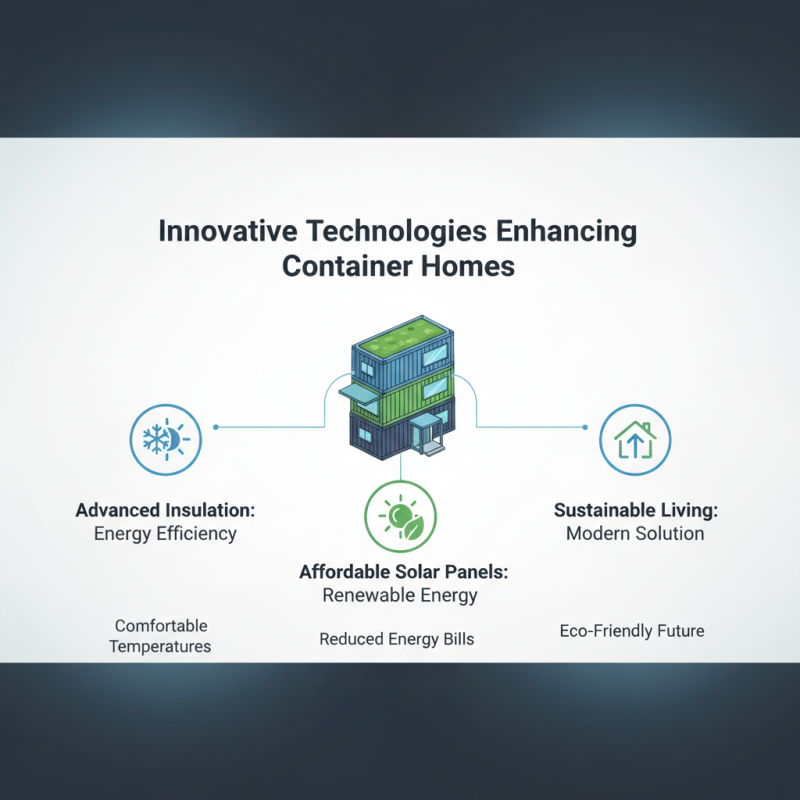
Innovative technologies are revolutionizing the world of prefabricated container homes. These unique structures are no longer just a trend; they represent a sustainable solution to modern living. Advanced insulation materials are being developed to enhance energy efficiency. This means residents can enjoy comfortable temperatures while minimizing energy consumption. Solar panels are becoming affordable, enabling homes to harness renewable energy effectively.
Smart home technologies are also playing a crucial role. Many container homes now include automated systems for lighting, heating, and security. Residents can control these systems remotely through smartphones. While these advancements are impressive, challenges remain. Some technologies may require regular maintenance or updates, posing logistical issues for homeowners.
Water management systems are essential yet often overlooked. Rainwater harvesting and greywater recycling are innovative features that can reduce utility costs. However, the implementation might be complex. Homeowners may face difficulties with installation or regulatory compliance. Container homes can be affordable, but the costs of high-tech features can add up quickly. Balancing innovation with practicality is a key consideration for potential buyers.
Market Trends and Buyer Preferences for Modular Living Spaces in 2026
In 2026, modular living spaces are gaining traction among buyers. Many people appreciate the versatility that prefabricated container homes offer. These homes can be easily relocated, making them ideal for those who desire mobility. Buyers should be aware of the growing emphasis on sustainable materials. This trend reflects an increasing concern for the environment. Container homes often include recycled materials, reducing waste and carbon footprints.
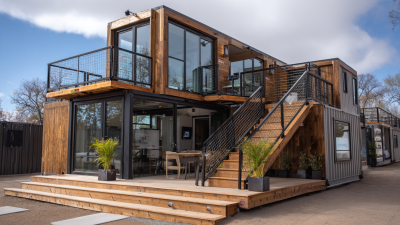
Another aspect to consider is customization. Buyers are looking for unique spaces that reflect their identity. Prefabricated homes can be tailored with various designs. This allows buyers to choose layouts, colors, and features that resonate with them. However, it’s essential to balance personal style with functionality. Over-customization can lead to higher costs and longer construction times.
Lastly, affordability remains a crucial factor. Modular homes typically offer a more economical solution compared to traditional housing. But potential buyers need to factor in long-term expenses, such as maintenance and land costs. While prefabricated homes may seem affordable at first glance, future expenses can add up. It’s important to approach this investment with careful consideration and accurate budgeting.
2026 Top Trends in Prefabricated Container Homes
Future Outlook: Challenges and Opportunities in the Container Home Market
The container home market is poised for significant growth through 2026. Reports indicate a projected CAGR of around 6.5% in this sector. Urbanization and housing shortages underline the urgency for affordable solutions. Prefabricated container homes offer a practical answer. However, misconceptions about their durability and livability persist. Many potential buyers hesitate due to these misunderstandings.
Sustainability remains a double-edged sword. While container homes promote recycling, they can present environmental challenges. Reports reveal that the energy efficiency of these homes varies greatly, depending on insulation and materials used. Additionally, logistical hurdles persist. Transporting containers can be costly. Permitting processes also fluctuate with local regulations, causing delays.
Opportunities are vast, yet challenges linger. Builders must address quality concerns to enhance credibility. Innovations in design and materials could bridge the gap. Customers are increasingly looking for customizable options. A tailored approach could widen the market appeal. Engaging with consumers and educating them on benefits will be essential for growth. Addressing these diverse challenges can lead to a thriving future for container homes.