logo

2026 Best Portable House Trends to Watch for This Year?

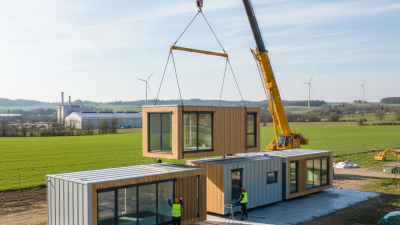
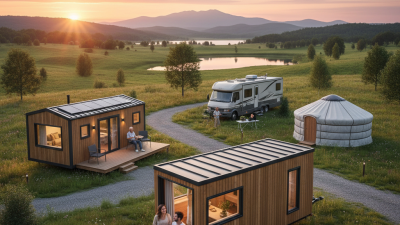
The trend of portable houses is gaining momentum in 2026. As people seek flexibility in living spaces, portable houses offer an attractive solution. These homes can adapt to various environments and preferences, fitting the lifestyles of modern individuals.

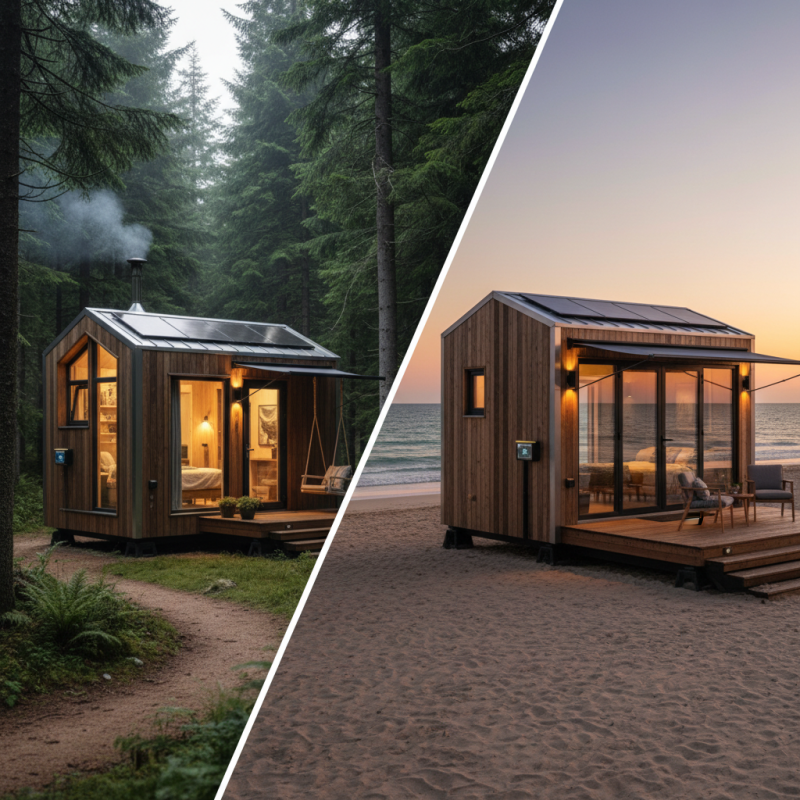
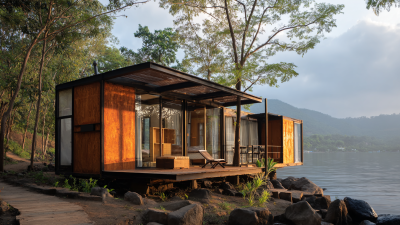
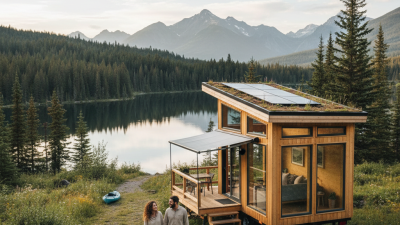
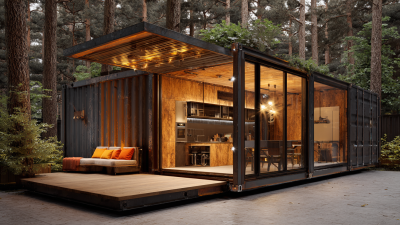
Imagine a small, yet stylish portable house. It could be a cozy cabin nestled in the woods or a sleek design parked by the beach. The possibilities are endless. Portable houses can be customized with solar panels, smart technology, and eco-friendly materials. Their compact size challenges traditional housing concepts, prompting a reevaluation of space and design.

Yet, as we embrace these trends, some concerns arise. Are portable houses durable enough for long-term living? Will zoning laws adapt to these mobile dwellings? There is still much to reflect upon as we explore the future of portable housing. The charm of these homes lies not just in their design but also in the lifestyle they represent.

2026 Best Portable House Trends to Watch for This Year?

2026 Trends in Portable Housing: An Overview of Innovations

The portable housing sector is buzzing with innovations in 2026. A noticeable trend is the shift towards sustainable materials. Builders are using recycled components more than ever. This not only reduces waste but also promotes eco-friendliness. Expect to see homes made from bamboo and reclaimed wood.

Another trend is smart technology integration. Portable houses are becoming increasingly equipped with IoT devices. These devices enhance energy efficiency and security. Homeowners now have better control through their smartphones. Energy management systems are also on the rise. They help monitor usage in real-time, which can reduce costs.

Tips: Think about your own needs. Would you prefer solar panels or traditional energy sources? Consider options that allow for flexibility. Portable houses should adapt to your lifestyle. Reflect on how much space you truly need. Achieving balance is key.

In this evolving landscape, functionality is critical. Designs that prioritize multi-use spaces are more appealing. Flexibility in layout can make a small space feel larger. People are rethinking what "home" means in these smaller, mobile units.

2026 Trends in Portable Housing: Innovations Overview

Sustainable Materials: Eco-Friendly Solutions on the Rise

Sustainability is a key trend in portable house designs for 2026. Eco-friendly materials are becoming increasingly popular. Homeowners seek options that reduce their environmental footprint. From bamboo to recycled metals, these materials offer durability and style. Many consumers are also prioritizing energy efficiency. They want products that minimize energy use in daily living.

When selecting sustainable materials, consider insulation. Insulated panels made from recycled products can keep homes warm. Also, think about water-efficient fixtures. They save resources and reduce bills. A disconnect exists between eco-friendliness and aesthetics. Some designs may feel less appealing. This often leads to a choice between beauty and sustainability.

Another important aspect is sourcing. Local materials can cut down on transportation emissions. Look for suppliers nearby. This not only helps the environment; it supports the local economy. However, quality can vary. Always assess the performance of these materials before committing. Embrace the challenge of striking a balance between style, efficiency, and sustainability.

Smart Home Technology: Integration of IoT in Portable Houses

The integration of smart home technology is redefining portable houses. Imagine a compact living space where every appliance communicates. This is not just convenience; it's about efficiency. IoT devices can manage energy consumption effectively, but they can also overwhelm users. They require constant updates, which can be frustrating. Not everyone enjoys staying up-to-date with the latest tech.

Portable houses equipped with smart sensors can optimize space and comfort. For example, smart thermostats adapt to user preferences, providing warm or cool air as needed. Yet, these advantages come with dependency concerns. Relying too heavily on technology can create challenges if devices malfunction. It’s essential to balance convenience with practicality.

Residents of portable homes can enhance security through smart locks and cameras. This adds peace of mind but raises privacy questions. Are we sacrificing personal space for safety? Moreover, users must consider network accessibility. A strong internet connection is critical for IoT devices to function seamlessly, yet, in certain locations, this may be a hurdle. These factors hint at the complexities of a tech-savvy yet potentially over-reliant lifestyle in portable living.

2026 Best Portable House Trends to Watch for This Year

Trend Description Key Features Expected Impact
IoT Integration Smart devices that streamline home management Smart controls, energy monitoring, security systems Increased convenience and energy efficiency
Sustainable Materials Use of eco-friendly building materials Recycled materials, bamboo, reclaimed wood Reduced carbon footprint and resource conservation
Modular Design Flexible living spaces that can be tailored Expandable units, customizable layouts Adaptability to different lifestyles and needs
Off-Grid Capabilities Homes that can function independently of utilities Solar panels, rainwater collection, composting Greater autonomy and lower utility costs
Smart Security Advanced security systems for portable homes Cameras, smart locks, motion sensors Enhanced safety and peace of mind

Affordable Housing Solutions: Addressing the Urgent Need for Cost-Effective Options

2026 Best Portable House Trends to Watch for This Year?

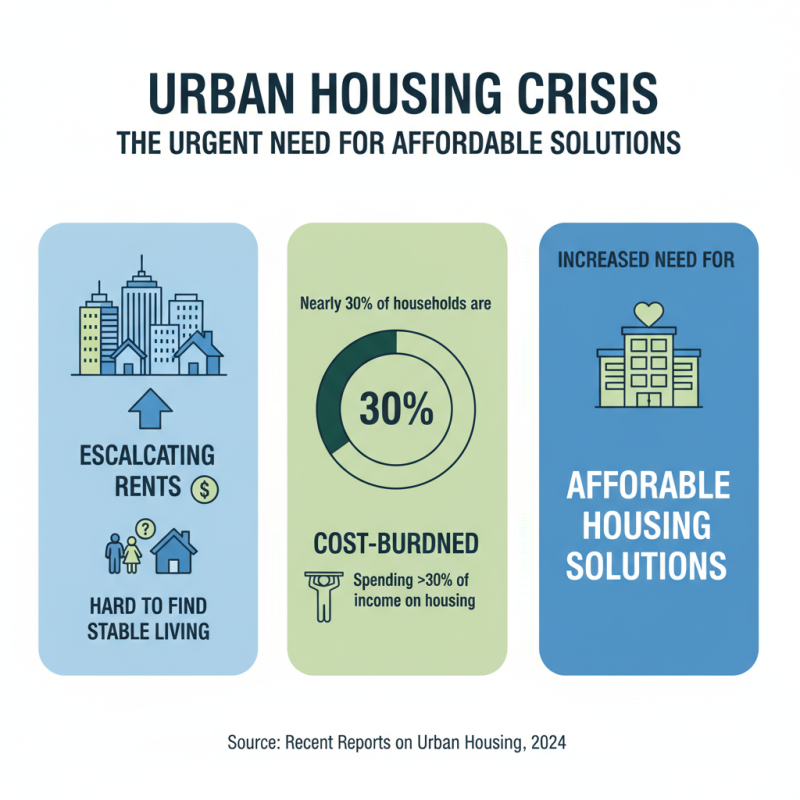
As urban housing crises escalate, the need for affordable housing solutions becomes urgent. Many families face increasing rents, making it hard to find stable living conditions. According to recent reports, nearly 30% of households in major cities are considered cost-burdened, spending over 30% of their income on housing.

Portable houses present an innovative response. Their flexible designs and lower construction costs make them appealing. Research indicates that using sustainable materials can reduce costs by up to 20%. This trend not only supports affordability but also promotes eco-friendliness. These homes are often built in a fraction of the time compared to traditional houses. However, zoning laws and community acceptance can hinder their growth.

**Tips:** When considering a portable house, research local regulations. Understanding zoning laws can save time and money. Additionally, evaluate your lifestyle needs. Not everyone requires extensive space. Focus on what’s essential for you.

Despite the potential benefits, challenges remain. Quality control is often a concern with rapidly produced housing. Buyers might experience issues with insulation or plumbing. Industry standards must be reinforced to ensure safety and comfort. Addressing these flaws is crucial for building trust in the portable housing market.

Compact Living: Design Strategies for Maximizing Space Efficiency

2026 Best Portable House Trends to Watch for This Year?

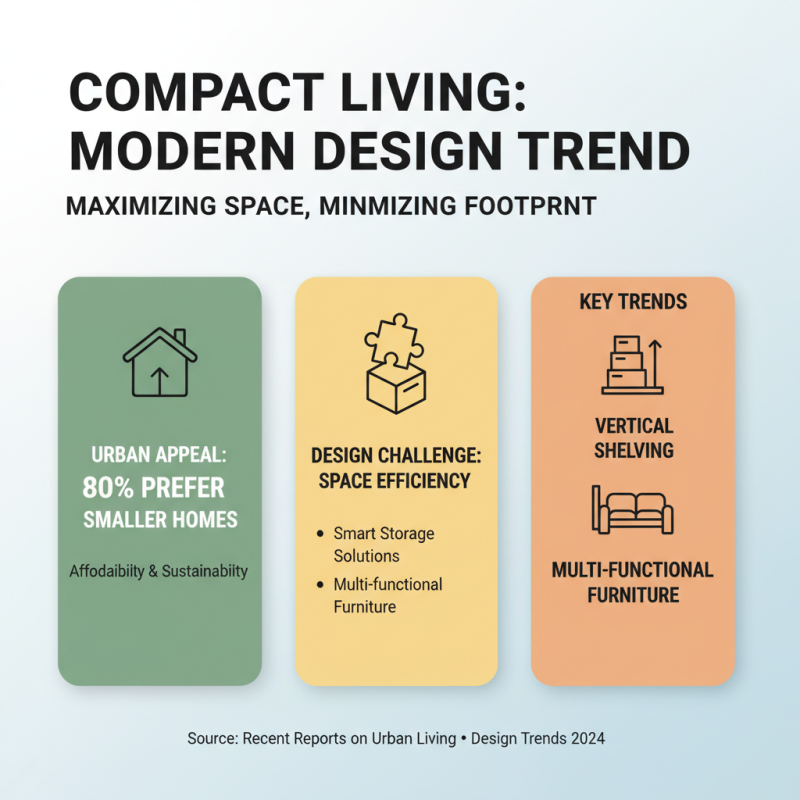
Compact living is becoming a crucial aspect of modern design. According to recent reports, around 80% of urban dwellers prefer smaller living spaces for affordability and sustainability. The challenge lies in maximizing space efficiency. Designers across the globe are implementing smart storage solutions. Vertical shelving and multi-functional furniture have emerged as key trends.

In tiny homes, every inch counts. Minimalism plays a vital role in creating a spacious feel. Experts suggest using light colors to enhance brightness. Integrating nature with indoor plants can also make spaces feel larger. However, this approach can sometimes lead to starkness. Some minimalists struggle with a lack of personal touches.

Moreover, tech integration aids in saving space. Smart home devices can streamline daily routines, but they come with a learning curve. Reports indicate that 60% of users find tech tools overwhelming. Balancing efficiency with comfort is challenging. Compact living requires thoughtful design choices that blend aesthetics with functionality.