2026 Best 2 Bedroom Prefab Homes for Modern Living?
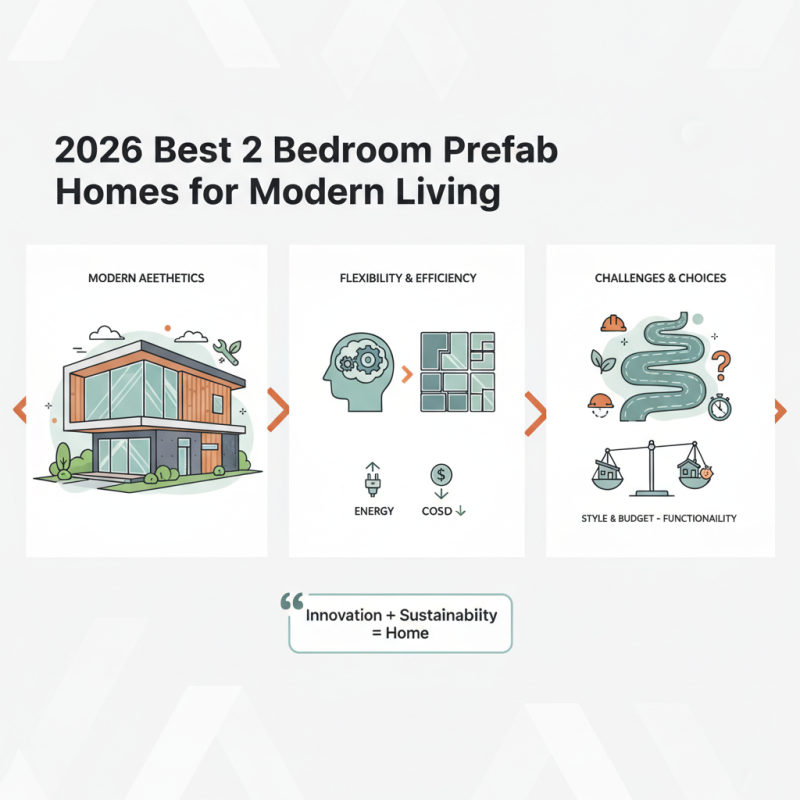
As we look ahead to 2026, the appeal of 2 bedroom prefab homes continues to grow. These homes offer flexibility, efficiency, and modern aesthetics tailored for today's lifestyles. Expert architect Sarah Thomson notes, "Prefab homes blend innovation and sustainability effortlessly." Her insights reveal the rising trend in this sector.
Imagine a cozy living space, designed to meet diverse needs from city dwellers to small families. The modular design allows for unique personalization, ensuring each home reflects its owner’s taste. Yet, there are challenges. Sourcing quality materials and managing construction timelines can be complex. Some homeowners find the process overwhelming.
2 bedroom prefab homes promise a new way of living, yet it’s essential to navigate their intricacies. Balancing style, budget, and functionality can lead to thoughtful choices. As we explore the best options available, recognizing these challenges will enhance our understanding.
Overview of Prefab Homes and Their Growing Popularity in 2026
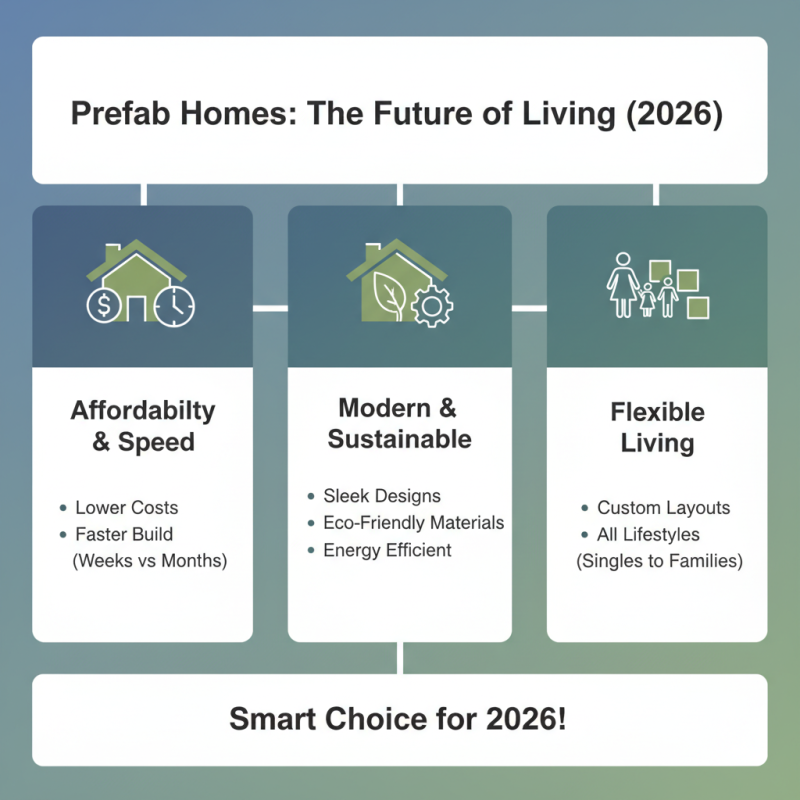
Prefab homes are becoming increasingly popular in 2026 due to their affordability and quick construction. More families are drawn to these homes for their modern designs and sustainable features. They offer flexible layouts that cater to a range of lifestyles, from young professionals to growing families. With an emphasis on energy efficiency, many prefab homes help reduce long-term costs.
However, choosing a prefab home comes with challenges. The customization options can be overwhelming. Some people find it hard to envision the final product. Additionally, regulations and zoning laws vary widely, which can complicate the building process. It's essential to research local requirements thoroughly. Potential buyers might feel excitement, but they should also be prepared for potential delays and budget overruns.
Despite these issues, the allure of prefab homes continues to grow. Many are beautifully designed and use quality materials. They can promote a sense of community as more people opt for sustainable living. While not without their flaws, prefab homes signify a shift toward more adaptable living solutions in our changing world.
Key Features of Modern 2 Bedroom Prefab Homes for Comfortable Living
Modern 2-bedroom prefab homes are redefining comfortable living. With a focus on efficiency and design, these homes often feature open floor plans. This layout maximizes space, making even smaller homes feel spacious. Reports indicate that 29% of potential homebuyers prioritize open spaces in their search for homes. This is crucial for families and professionals alike.
Incorporating sustainable materials is another key feature. Many prefab homes utilize energy-efficient windows and insulation. This can lead to significant energy savings, with studies showing reductions in heating and cooling costs by up to 30%. However, it's essential to acknowledge that not all materials are created equal. Some builders may cut corners, compromising quality for cost savings. Therefore, careful selection of manufacturers is vital.
Natural light is also a significant design element. Large windows and skylights not only brighten interiors but also enhance mood. According to the National Association of Realtors, homes with ample natural light sell 50% faster. Yet, some designs may overlook privacy concerns with larger openings. Balancing light and privacy remains a challenge in modern home designs.
Top 2026 Models of 2 Bedroom Prefab Homes: Design and Innovation
In recent years, the demand for two-bedroom prefab homes has surged. More families seek efficient living spaces that combine modern design with sustainability. According to a report from the Modular Building Institute, the prefab housing market is projected to grow by 25% in the next five years. This growth reflects the shift towards innovative structures that support eco-friendly living.
These homes are not just about saving costs. Many designs feature open floor plans, maximizing living area while minimizing waste. Considerations for energy efficiency are evident, with homes often utilizing materials like recycled steel and low-impact insulation. However, it’s important to note that not all models meet green building standards. Some designs compromise on quality for aesthetics, which can lead to issues down the line.
Investing in prefab homes can be complex. It's crucial for buyers to evaluate each design carefully. Factors like layout, energy efficiency, and material quality vary significantly. While many models showcase impressive innovation, some may fall short of expectations. Thorough research is necessary to make an informed decision and ensure long-lasting satisfaction.
2026 Best 2 Bedroom Prefab Homes for Modern Living
Model
Size (sq ft)
Price Range ($)
Design Features
Eco-friendly Options
Model A
800
150,000 - 180,000
Open floor plan, large windows
Solar panels, rainwater harvesting
Model B
900
170,000 - 200,000
Modern facade, energy-efficient appliances
Sustainable materials, green roof
Model C
850
160,000 - 190,000
Compact design, outdoor deck
Recycled materials, energy-saving windows
Model D
1000
180,000 - 220,000
Spacious interiors, contemporary kitchen
Energy-efficient HVAC, smart home tech
Model E
950
175,000 - 210,000
Minimalist style, large closets
Green insulation, low-flow fixtures
Sustainability Practices in Modern Prefab Home Construction
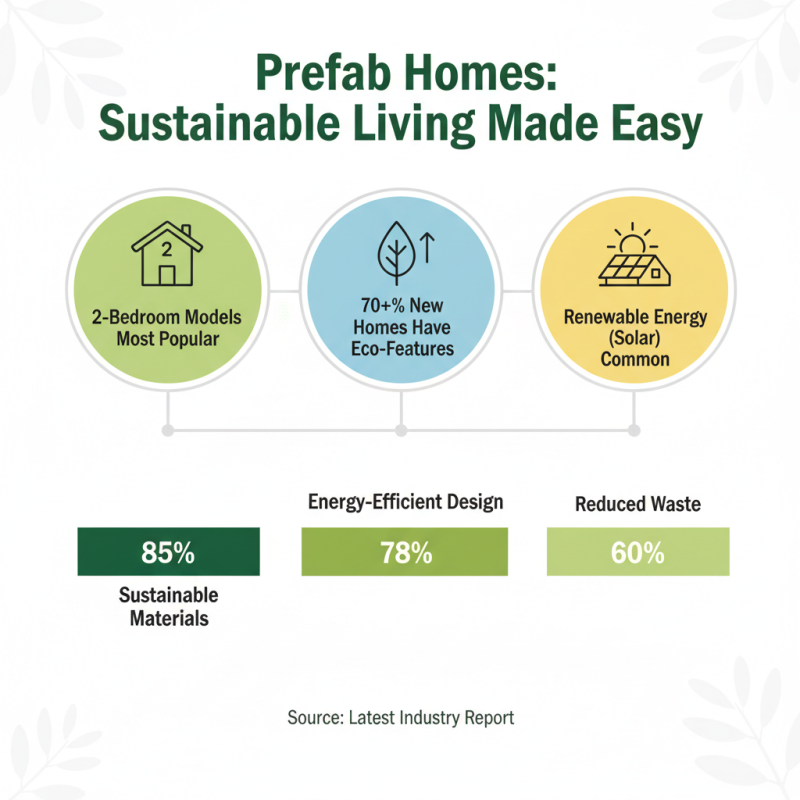
The trend of prefab homes is booming, especially two-bedroom models, driven by sustainability. Modern prefab homes use eco-friendly materials and energy-efficient designs. They often incorporate renewable sources, such as solar panels. According to the latest industry report, over 70% of new prefab homes include sustainable features.
Materials matter in construction. Prefab homes commonly utilize recycled content. Steel and reclaimed wood are popular choices. Notably, prefabricated building techniques can cut construction waste by up to 90%. This process benefits both the environment and homeowners.
Tips: Choose homes that prioritize insulation. A well-insulated prefab can significantly reduce energy consumption. Consider water-efficient systems too. Rainwater harvesting systems are an excellent option. They conserve water and lower utility bills.
Sustainability is not just a buzzword; it's essential. Many prefab homes still lack comprehensive eco-standards. Consumers must advocate for transparency. More certifications should be mandatory in the industry, ensuring true sustainability. As the market grows, remain critical of claims. Aim for homes that genuinely deliver on eco-friendly promises.
Cost Considerations and Financing Options for 2 Bedroom Prefab Homes
Investing in a 2-bedroom prefab home can be an exciting journey. However, understanding the cost considerations is essential. Generally, prefab homes are more affordable than traditional homes. The average cost typically ranges between $100 to $200 per square foot. Additional expenses to consider include land costs, permits, and utility connections. Costs can quickly add up if you’re not careful.
When exploring financing options, buyers often feel overwhelmed. Mortgages for prefab homes can differ from traditional loans. Most banks and credit unions may require specific documentation. It’s crucial to shop around for favorable terms. Additionally, some lenders might offer better rates for prefabs, so do your homework.
Tips for managing your budget effectively: always prepare for unexpected costs. Set aside a contingency fund. This can be a lifesaver during the building process. Also, consider pre-owned prefab homes, as they can provide significant savings. While they may need some renovations, the initial investment can be lower. Don't rush the financing process; be patient and explore all your options thoroughly.